Key takeaways
- Symbolic play, where one object stands for another, builds the same thinking children need when letters stand for sounds and numerals stand for quantities.
- Tonya Gilchrist encourages early childhood educators to step off the pendulum between formal worksheets and hands-off play, and to be intentional instead.
- Open-ended loose parts like buttons, corks, rocks, shells and bread tags give children endless chances to practise symbolic thinking.
It's mid-morning in the outdoor area. A four-year-old has a flat piece of wood balanced on her knees and is busy arranging shells on it. You crouch down and ask what she's making. "A fruit salad," she tells you. You ask if you can try a strawberry, and she picks up a starfish and hands it over.
It looks like a sweet moment of pretend. It's also one of the most important pieces of early literacy and maths learning happening in your room today.
So how does play-based learning support early literacy? Through play, young children practise symbolic thinking: letting one thing stand for another. A child who decides that a starfish is a strawberry is doing the same mental work they'll need when the letter B stands for a sound and the numeral 3 stands for three apples. Rich, intentional play builds these precursors to reading and maths in a way that suits three and four-year-olds, and gives them a strong foundation for formal literacy later.
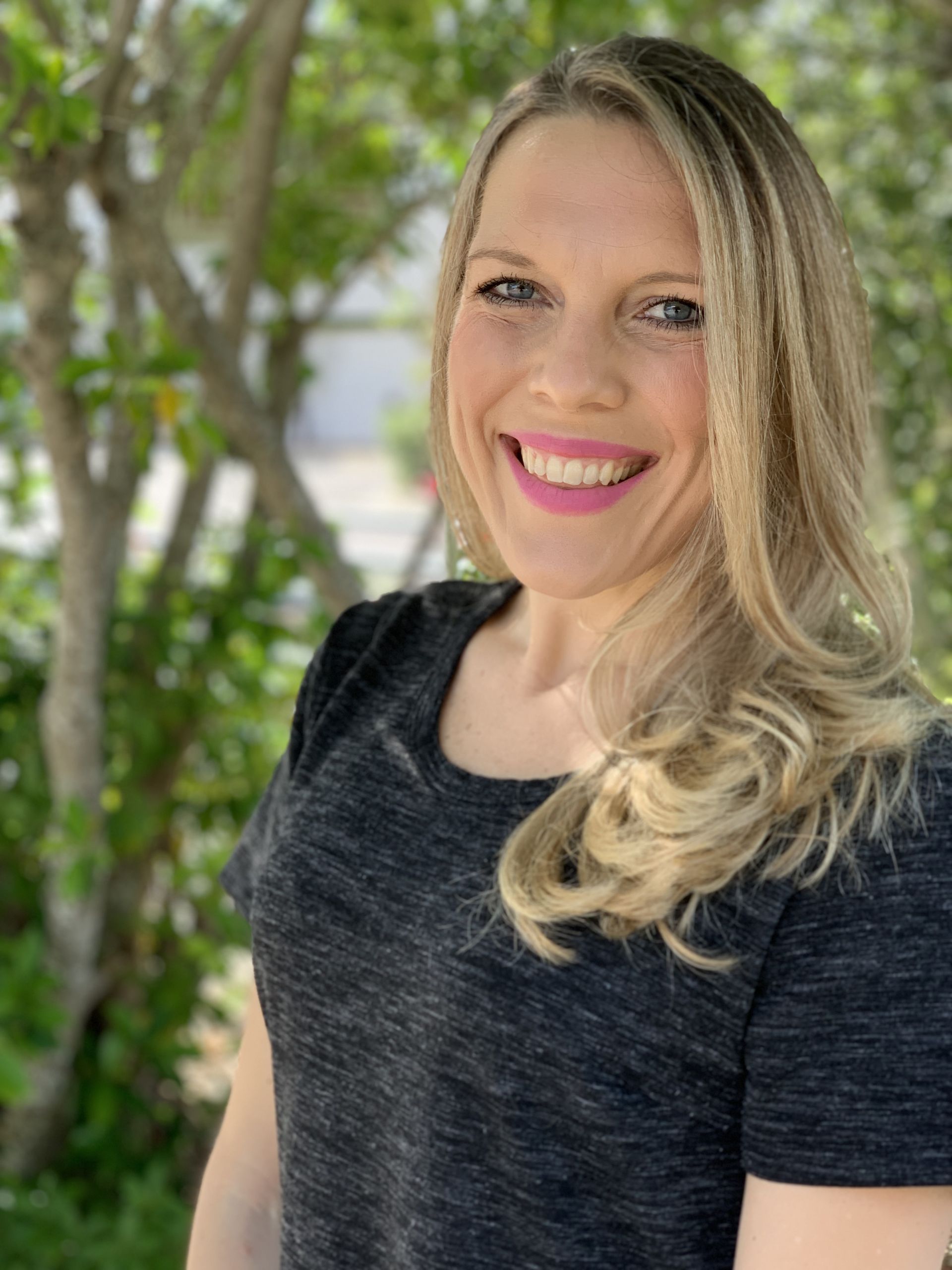
These ideas come from Tonya Gilchrist, an International Education Consultant and Learning Strategist who is passionate about enquiry-rich learning. A former educator, Tonya now works with schools around the world, from the Americas and Europe to Asia and Australia. Tonya's course on nurturing literacy and maths through play opens with a reassuring message for anyone who's ever felt the pressure to start formal reading early.
The ideas
- Teach the precursors.Tonya points out that early literacy in the preschool years means building the foundations that come before reading. For a four-year-old, that groundwork is far more appropriate than a worksheet on a single sound.
- Step off the pendulum.Education often swings between two extremes: rote, formal instruction for very young children, or play where the educator stays passive. As Tonya puts it, "Of course, neither of those approaches are helpful."
- Know your two kinds of play.Dramatic play uses realistic props, like plastic fruit in a bowl. Symbolic play uses open materials that stand in for something else, like shells on a wooden plate. Tonya stresses that both have a place in your room.
- Watch for the symbolic leap.When a child can let a starfish be a strawberry, letters standing for sounds and numerals standing for quantities stop being a strange idea. "They've already been practising that thinking all along," Tonya explains.
- Stock the room with loose parts.Buttons, corks, rocks, acorns and even bread tags can become anything a child decides. The more open the object, the more symbolic thinking it invites.
- Be intentional."So much of quality teaching is about being intentional," says Tonya. Play-based learning still asks a lot of the educator: observing, planning and joining in.
 Nurturing Literacy & Maths Through Play in Early ChildhoodStart this course
Why a starfish beats a phonics worksheet
Tonya walks through the fruit salad scene twice. In the first version, a child plays with realistic plastic fruit. You join in, admire the strawberries and pretend to eat one. In the second, the child uses a piece of wood as a plate and shells as fruit. The difference is what's happening in the child's head.
In the second version, the child has decided that a starfish is a strawberry. Tonya describes it like this: "If they can recognise that a starfish can be a strawberry, then it's not so big of a jump to start thinking other things could represent different things too."
That's the heart of it. Reading depends on accepting that marks on a page stand for sounds, and that words stand for meaning. Maths depends on accepting that a numeral stands for a quantity. A child who has spent plenty of time deciding that a button is a coin, a rock is a car and a cork is a person has rehearsed that idea again and again.
Tonya suggests sharing this with families too, so they can see the power of play: "We know there's no 'just' there. Play is learning."
Here's how the three approaches compare for a room of four-year-olds.
| Phonics worksheets | Hands-off play | Intentional symbolic play | |
|---|---|---|---|
| What children do | Complete set tasks on a single skill | Play with whatever is out | Use open materials to represent ideas, stories and games |
| The educator's role | Directs and corrects | Steps back | Observes, plans the environment and joins in |
| What it builds | A narrow skill, ahead of the groundwork | Some symbolic thinking, with many missed chances | Symbolic thinking, the precursor to letters and numerals |
| How it fits the EYLF | Pushes towards later learning | Honours the here and now, with little support for growth | Honours the here and now and supports children as they keep growing |
That last row matters. Tonya grounds the approach in the Early Years Learning Framework's belonging, being and becoming. The framework says it plainly: "Childhood is a time to be, to seek and make meaning of the world" (ACECQA, EYLF V2.0). The same section reminds educators that the early years are about children in the here and now, as well as preparation for what comes next. Symbolic play does both at once.
Loose parts that do the heavy lifting
You don't need expensive resources to build symbolic thinking. Tonya points to the everyday and natural materials many early childhood rooms already have. In Tonya's words, "This button could kind of be anything. It depends on what I decide it represents and the game I'm playing or the story I'm building."
Some of the materials Tonya names:
- Buttons and corks, which become coins, people, food or anything a game needs
- Rocks, shells and acorns, natural materials that children already love to collect
- Bread tags, which Tonya imagines as little ducks in a story a child is building
- Pieces of wood and popsicle sticks, for plates, roads, fences and bridges
The trick is choosing objects with no fixed meaning. A plastic banana will always be a banana. A smooth piece of wood will be a plate on Monday, a phone on Tuesday and a boat on Wednesday.
How to use this in your room this week
- Add one tray of loose parts to your home corner alongside the realistic props. Notice who picks up the open materials and what they turn them into.
- Join the play with curiosity. When a child is cooking or building, ask what they're making and play along with whatever the objects have become.
- Share one story with families. Pick a moment of symbolic play from the week and explain what it's building, so families see the learning in play.
- If you're a casual early childhood educator covering a room for the day, loose parts are your friend. A basket of buttons, shells and corks gives you an easy way to join children's play and build their thinking from your first hour.
Take it further with your room
The starfish idea is only the starting point. In Nurturing Literacy & Maths Through Play in Early Childhood, Tonya goes much deeper into how to design play with intention. Inside the course, you'll find:
- how to design invitations and provocations, from wide-open questions to tightly scoped ones, with a gallery of real examples
- the roles educators play during play, with a self-reflection handout you can use with your team
- where maths lives in block play, building and loose parts, including maths stories built from songs children already know
- how music, mark making and storytelling become rich routes into literacy
- a simple way of talking with children during play that fills their vocabulary without turning play into a quiz
- why play builds the executive function skills that reading and maths depend on, and a classroom game that shows how
- Tonya's answers to educators' questions, including toddlers and teaching tricky concepts like money and measurement
If you'd like to think further about how your space shapes learning, Environment is a Third Teacher: How to Cultivate Agentic Ecologies is a great next step. You'll find more courses for your room in early childhood PD.
As Tonya reminds every educator, "Make no mistake, children are pretty amazing."
Frequently asked questions
How does play-based learning support early literacy?
When children play, they practise letting one thing stand for another, such as a shell standing for a strawberry. That same symbolic thinking is what they need later when letters stand for sounds and words stand for meaning.
What is symbolic play in early childhood?
Symbolic play is when a child uses an object to represent something else, like a block becoming a phone or a starfish becoming a strawberry. It differs from dramatic play with realistic props, and both have a place in an early learning room.
Why are phonics worksheets a poor fit for four-year-olds?
Early childhood is the time to build the precursors of reading and maths. Rich symbolic play builds those foundations in a way that suits where three and four-year-olds are right now, and worksheets skip over that groundwork.
What are the best loose parts for symbolic play?
Open-ended everyday and natural materials work well: buttons, corks, rocks, shells, acorns, popsicle sticks, pieces of wood and even bread tags. The fewer fixed meanings an object has, the more a child can decide what it represents.
What is the difference between intentional play and hands-off play?
In hands-off play the educator sets out materials and steps back. In intentional play the educator observes, plans the environment and joins in, so children get far more chances to stretch their thinking.
How does symbolic play link to the EYLF?
The Early Years Learning Framework is built around belonging, being and becoming. Symbolic play honours children where they are in the here and now while building the foundations they need as they keep growing.
How much does the Nurturing Literacy & Maths Through Play course cost?
Nurturing Literacy & Maths Through Play in Early Childhood is included in a ClassCover Learn membership, which costs $99 a year for 200+ hours of PD across every course.